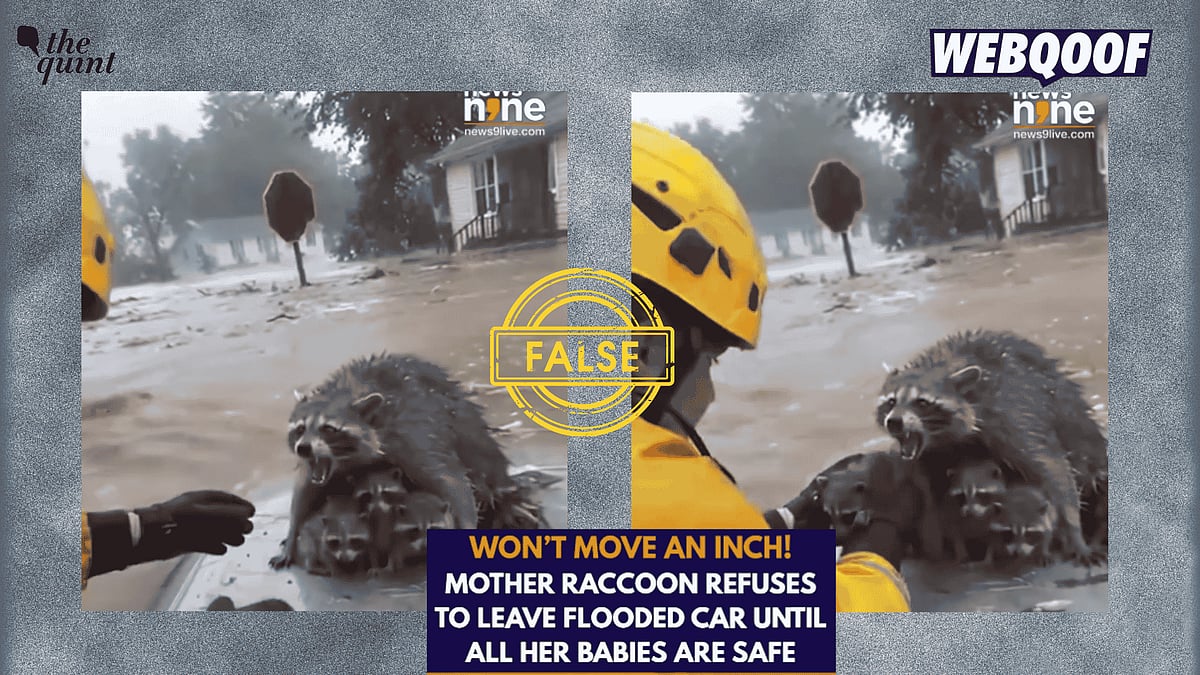
A viral video showing a mother raccoon protecting her babies is fake. Fact-checkers from The Quint looked at the popular clip and found it was made using artificial intelligence. The video is not real footage of wild animals.
Is the viral raccoon video real or fake?
Many people shared the cute clip online because they thought it showed real animal behavior. It claimed to catch a sweet moment between a mother and her babies in the wild. However, digital experts checked the frames and proved it was computer-generated. The fake clip tricked thousands of social media users before the truth came out.
Artificial intelligence tools make it very easy to create fake animal clips today. These programs can render realistic fur, movement, and lighting in just a few minutes. Because the footage looks so good, ordinary viewers often believe what they are seeing. It takes careful checking to spot the small errors in these computer videos.
How to spot fake AI animal videos online
You can protect yourself from fake clips by looking closely at the details. Computer programs often make mistakes with how animals move or how their bodies look. Here are a few simple things to check when you watch a viral video:
- Watch how the animal fur moves against the background.
- Look for strange shapes in the paws, eyes, or ears.
- Check if the background blurry parts look unnatural.
- See if trustworthy news sources have verified the original clip.
Checking the source of a video is the best way to avoid spreading misinformation. If a video comes from an unknown social media account, be careful. Real wildlife footage usually comes from known photographers or research groups. Taking a moment to double-check helps keep false posts from spreading.
What fake AI videos mean for social media users
Fake videos are becoming much more common on every major social media platform. People make these clips to get quick views, likes, and new followers. While a fake animal clip seems harmless, it shows how easy it is to trick people online. Today it is a fake animal, but tomorrow it could be a fake news event.
Social media sites are working to label computer-generated posts more clearly. Fact-checking groups like The Quint spend time reviewing trending posts to help the public. Readers must also do their part by thinking twice before hitting the share button. Stopping the spread of fake videos depends on cautious internet users.
What will happen next with AI content
Technology will keep getting better, making fake videos even harder to spot in the future. Experts expect to see many more computer-made animal clips in the coming months. Fact-checkers will have to work faster to flag fake posts before millions of people watch them.
Learning how to spot generated media is a skill everyone needs now. You do not need to be a tech expert to ask if a clip is real. Staying curious and looking for reliable facts will help you enjoy the internet safely. Always wait for trusted confirmation before you believe an amazing video.



Comments
Post a Comment